
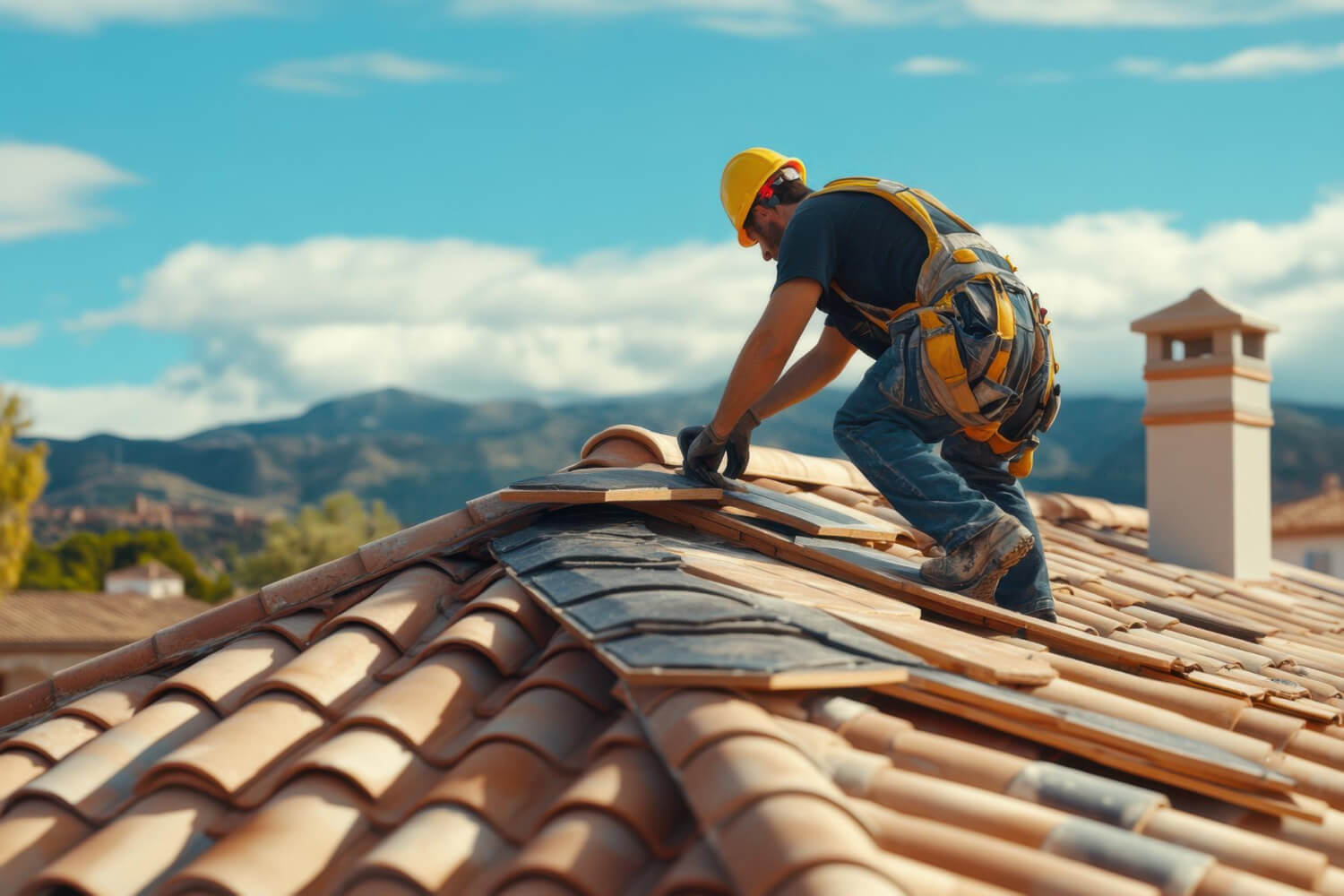
Arizona may be known for its desert heat, but roofing conditions vary significantly depending on elevation, location, and seasonal weather patterns. A roof that performs well in Phoenix may face completely different demands in Flagstaff or Sedona. Understanding these regional differences helps homeowners and business owners choose the right materials, maintenance schedule, and repair strategy for long-term protection. At Everguard Roofing and Repair, we work across Arizona’s diverse climate zones and tailor roofing solutions to match each environment’s specific challenges.
Roofing in Low-Elevation Desert Cities Like Phoenix and Tucson
In cities such as Phoenix and Tucson, roofing systems are exposed to some of the most intense heat in the country. Summer temperatures regularly exceed 100°F, and roofs absorb continuous UV radiation for months at a time. This constant exposure can cause materials to dry out, crack, or deteriorate faster than in cooler regions.
Asphalt shingles in these areas often require UV-resistant coatings and proper attic ventilation to prevent heat buildup. Tile roofing is extremely popular due to its ability to reflect sunlight and withstand high temperatures. Metal roofing also performs well because of its reflective properties and durability in extreme heat conditions.
In addition to heat, monsoon storms present another challenge. Sudden heavy rainfall and strong winds can test flashing, drainage systems, and roof seams. Regular inspections are essential in these regions to identify early signs of wear before they become costly repairs.
Roofing Challenges in Mid-Elevation Areas Like Scottsdale, Mesa, and Tempe
Mid-elevation cities such as Scottsdale, Mesa, and Tempe experience similar heat conditions but often have slightly more variation in temperature and storm intensity. These areas see frequent sun exposure combined with seasonal dust storms and occasional heavy rainfall.
Roofing systems in these regions must balance durability with energy efficiency. Proper insulation and reflective materials help reduce cooling costs during hot months, while strong underlayment systems protect against water intrusion during storms. Flat and low-slope commercial roofs are also common in these cities, requiring careful drainage design to prevent pooling water and long-term structural damage.
Routine maintenance plays a critical role here, as dust accumulation and thermal expansion can gradually weaken roofing materials over time.
Roofing in High-Elevation Regions Like Flagstaff and Sedona
Northern Arizona cities such as Flagstaff and Sedona present a completely different roofing environment. At higher elevations, roofs are exposed to colder temperatures, snow, ice, and rapid weather changes. These conditions require roofing systems designed for both freeze-thaw cycles and heavy precipitation.
Asphalt shingles in these regions must be rated for cold weather performance, while metal roofing is often preferred due to its ability to shed snow and resist ice buildup. Proper attic ventilation and insulation are also essential to prevent ice dams, which can lead to water intrusion and structural damage.
Tile roofs, while popular in southern Arizona, require additional reinforcement in northern regions due to the weight of snow accumulation and potential freeze-related stress.
Choosing the Right Roofing System for Arizona’s Diverse Climate
Because Arizona’s climate varies so widely, there is no one-size-fits-all roofing solution. Material selection should always be based on location, elevation, and environmental exposure. Asphalt shingles offer affordability and versatility, tile roofs provide durability and heat resistance, and metal roofing delivers long-term performance across nearly all Arizona regions.
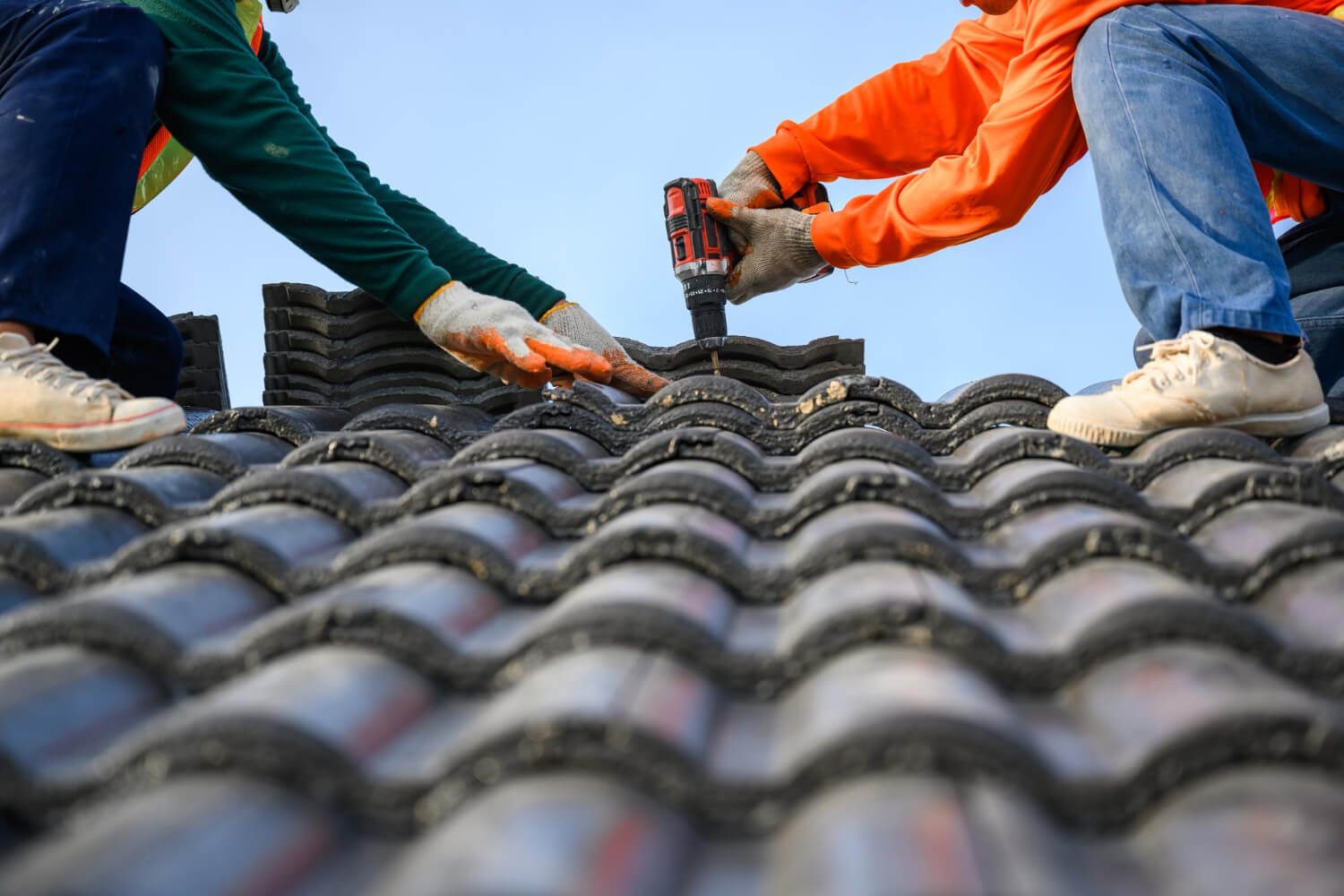
Equally important is proper installation. Even high-quality materials will fail prematurely if not installed correctly for the specific climate conditions. Ventilation, drainage, and fastening methods must all be adjusted based on regional weather patterns.
The Importance of Preventative Maintenance Across All Regions
Regardless of location, regular roof inspections and maintenance are essential for extending roof life in Arizona. Extreme heat, seasonal storms, wind exposure, and temperature fluctuations all contribute to gradual wear.
Preventative maintenance helps identify small issues such as loose shingles, cracked flashing, or minor leaks before they develop into major structural problems. Scheduling inspections at least twice a year is especially beneficial in Arizona’s varied climate zones.
How Everguard Roofing and Repair Supports Arizona Homeowners
At Everguard Roofing and Repair, we understand the unique roofing demands across Arizona’s diverse regions. From the intense heat of Phoenix to the snowy conditions of Flagstaff, our team provides tailored roofing solutions designed for long-term performance.
We focus on selecting the right materials, applying proper installation techniques, and offering reliable maintenance services to ensure every roof is built to handle its environment. Whether you need repairs, inspections, or a full roof replacement, our goal is to provide lasting protection and peace of mind across every Arizona climate zone.