
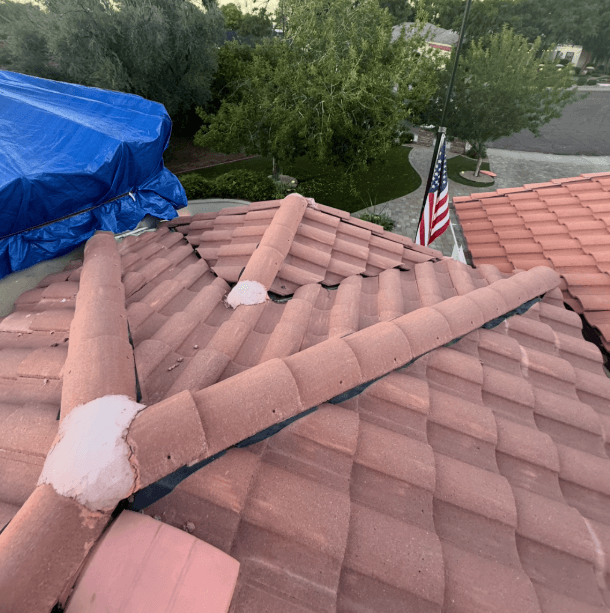
After living in the Phoenix area for nearly a decade, I’ve learned that March is the best time to think about the roof. I am a homeowner in Mesa, and like many of my neighbors, I have a concrete tile roof that I mostly ignore until something goes wrong. This year, I decided to be proactive about my residential roofing.
Last summer was rough on everyone. Those haboobs left a lot of dust and debris everywhere. I started noticing some small things that didn’t feel right. There was a weird rattling sound during the afternoon winds.
After a light rain earlier this spring, I saw a faint yellow circle on my garage ceiling. I knew I needed a roofing company to take a look before the real storms hit in July. I called Everguard Roofing in Phoenix, AZ, to see if they could help me figure out if my house was actually ready for the monsoon.
How Did I Know My Roof Had An Issue?
I think a lot of us in the valley just assume our roofs are fine since it doesn’t rain often. But the sun out here is brutal. It cooks everything.
I was out in the yard cleaning up some desert landscaping when I looked up. I saw a couple of tiles that looked like they had slipped out of place. They weren’t falling off, but they weren’t lined up with the others anymore. That was the first sign.
Then there was that spot on the garage ceiling. It wasn’t dripping, but it was enough to make me worry about what was happening underneath. In Arizona, the tile itself isn’t actually what keeps the water out. It is the underlayment underneath.
I had heard that once that paper gets brittle from the heat, any cracked tile becomes a gateway for water. With the monsoon season bringing those sideways rains and intense wind, a few slipped tiles in March can turn into a mess by August. I realized that waiting until a leak became a literal puddle was a bad idea. I wanted someone who knew the local climate to give me a straight answer.
What Does A Professional Inspection Actually Involve?
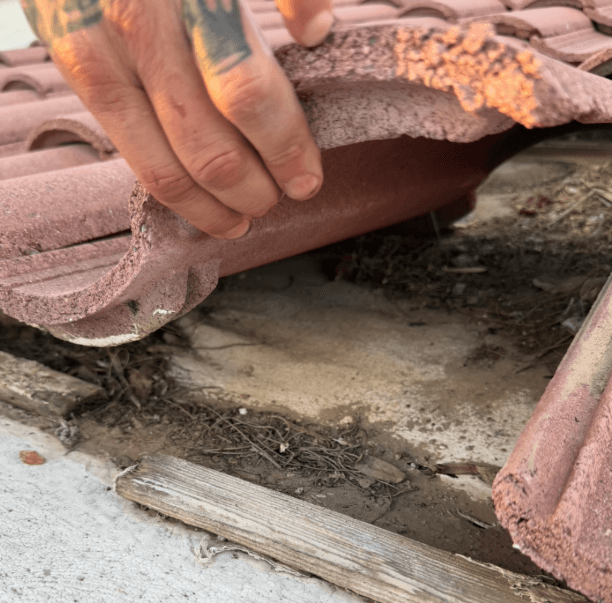
When the crew from Everguard Roofing arrived, I wasn’t really sure what to expect. I have had bad experiences with contractors who just show up, point at things, and give a high quote. This felt different.
They actually spent time walking the perimeter. Then they got up there to look at the valleys and the flashing. The process was pretty straightforward. They checked the eaves where the tiles meet the gutters. They looked for any signs of debris buildup.
Apparently, when dirt and bird nests get trapped under the tiles, they hold moisture. That moisture eventually rots the wood. They also took photos of the areas where my tiles had slipped. It turned out that a few of the nails had pulled through the old underlayment.
They explained that while my tiles were in good shape, the protective layer underneath was starting to show its age. One thing that stood out to me was the discussion about different materials. Since I have a tile roof, they focused on that. But they mentioned they handle everything from flat roofs to metal.
It was interesting to learn that even though my roof looks solid, it’s a complex system. They spent about forty-five minutes poking around the vents and the chimney. They also checked the seals around my skylight. That is usually the first place to leak when the wind starts whipping. It was a relief to have a professional roofing company do a walkthrough without a high-pressure sales pitch.
What Are The Expected Costs And Timeline For Roof Work In Phoenix?
Pricing is always the big question. I was worried that any mention of a roof repair would cost a fortune.
In Mesa and the surrounding Phoenix area, a basic inspection and minor maintenance usually range from $300 to $600. This depends on the size of the house. If you are looking at actual repairs, like replacing underlayment in certain sections or fixing storm damage, you might see costs between $1,500 and $3,500.
A full tile roof installation is a much larger investment. These often range from $15,000 to over $30,000 for a standard residential home. The price really depends on the weight of the tile and the quality of the synthetic underlayment used.
The timing for my job was surprisingly fast. I called in March, which is the “early bird” season. They were able to get me on the schedule within a week.
The actual repair for my slipped tiles and the seal work took about half a day. They told me that if I had waited until June or July, the wait times would have been much longer. Everyone starts panicking once the clouds turn dark.
Why I Chose A Local Specialist In Phoenix, AZ
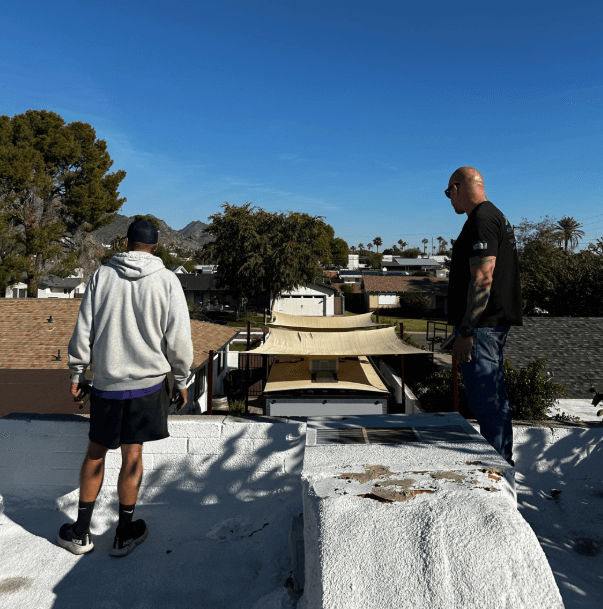
Choosing a team that actually lives and works in the Valley is important to me. I’ve seen “storm chasers” come through after a big hail event. They usually disappear as soon as the check clears.
I liked that these guys knew exactly what the Mesa sun does to roofing materials. They didn’t use a bunch of hype. They just showed me the photos and explained the physics of how the water was moving. They gave me a plan that made sense for my budget.
They also mentioned they handle storm damage repair. That gave me some peace of mind. Now I have a contact if a monsoon tree limb ever decides to hit my house.
There is something to be said for reliability. They weren’t the cheapest quote I could have found, but they were fair and local.
Final Thoughts On My Roofing Experience
Addressing the issue early helps prevent further damage. It also allows the area to dry properly before the humidity spikes. I feel a lot better now that those tiles are secured and the seals are fresh.
It is one less thing to worry about when the wind starts picking up this summer. If you haven’t looked at your roof since last year, you might want to take a peek. Or, have a professional take a look.
You can book an inspection with Everguard Roofing to make sure your residential roofing is actually ready for the Arizona elements before the clouds roll in. I’m happy I took care of it now while the weather is still nice. It beats trying to find a bucket in the middle of a midnight thunderstorm.