
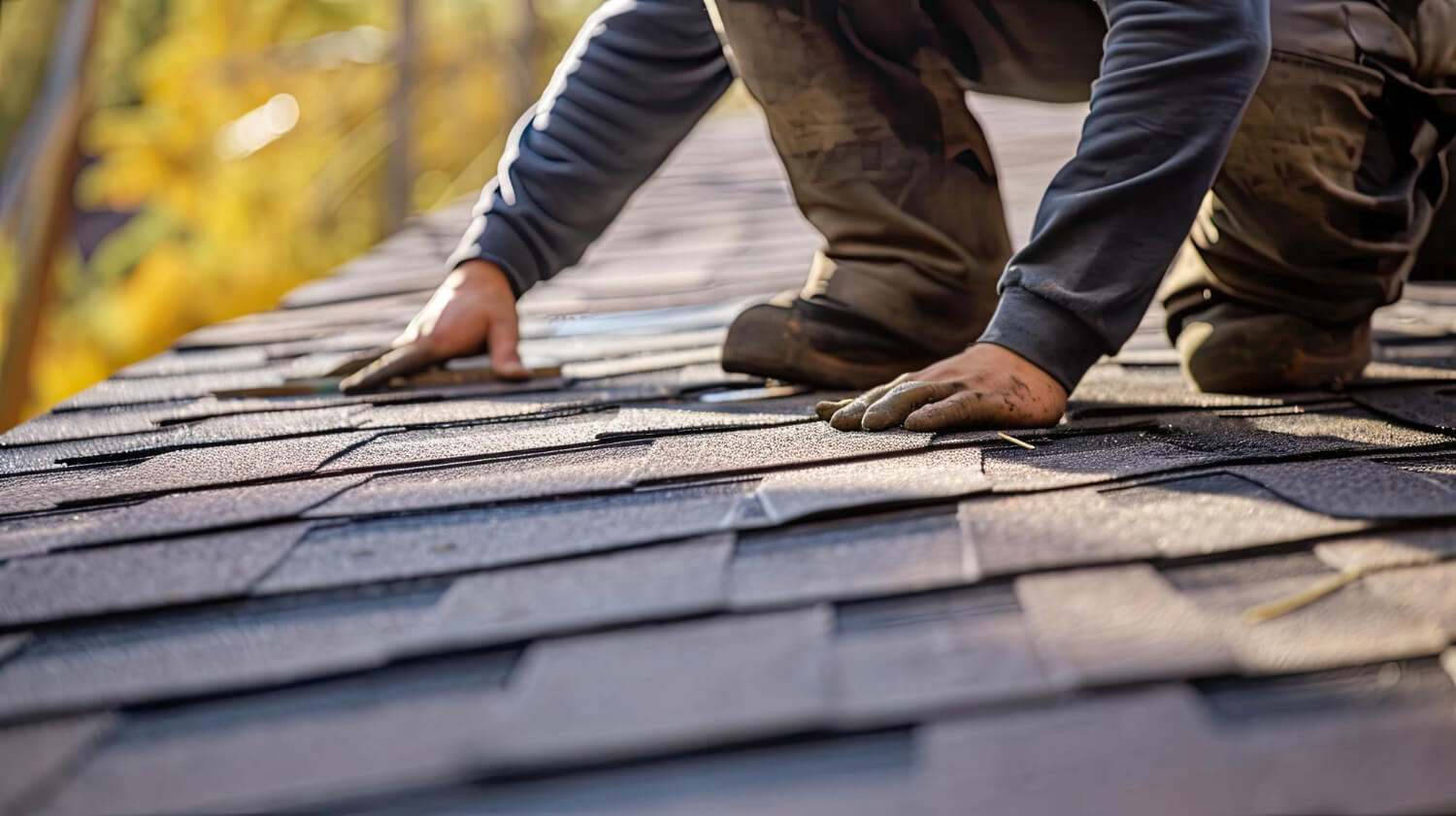
Phoenix is known for intense sunshine, extremely high summer temperatures, and long periods of dry weather. While these conditions are part of desert living, they can also take a toll on residential roofing systems. Over time, constant exposure to heat and ultraviolet rays can weaken roofing materials and contribute to problems that may require professional roof repair.
Both asphalt shingles and tile roofs can withstand Arizona’s climate when properly installed and maintained, but neither is completely immune to heat-related wear. Knowing what to look for can help Phoenix homeowners address roofing problems before they become more serious.
How Phoenix Heat Affects Your Roof
A roof in Phoenix can spend hours exposed to direct sunlight and extreme temperatures. The combination of heat, UV radiation, and repeated temperature changes can gradually affect roofing materials.
During the hottest part of the day, roofing surfaces can become significantly hotter than the surrounding air. At night, temperatures drop and the materials cool down. This repeated expansion and contraction can contribute to deterioration over time.
Heat damage may not always appear as an obvious leak. Early warning signs can include changes in the appearance or condition of shingles and tile, making regular roof inspections an important part of home maintenance.
Heat Damage to Asphalt Shingles
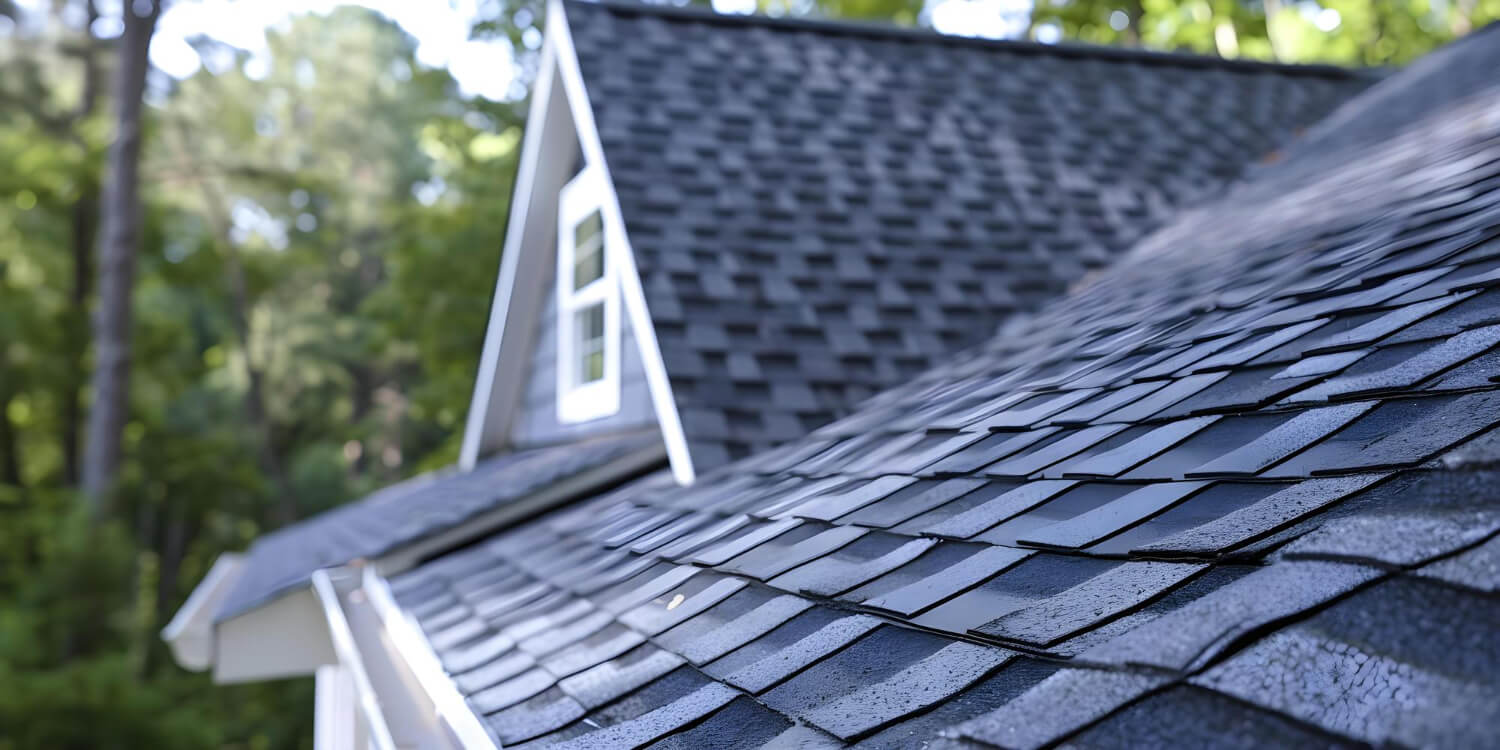
Asphalt shingles are a popular roofing option for Phoenix homes, but prolonged exposure to intense sunlight can accelerate their aging.
One common issue is the loss of protective granules from the surface of the shingles. These granules help protect the underlying asphalt from UV exposure. As shingles age, excessive heat and weather exposure can cause them to become brittle and lose granules.
Homeowners may also notice:
- Cracked or curling shingles
- Missing granules
- Blistering or damaged shingle surfaces
- Faded or discolored areas
- Brittle roofing materials
- Exposed areas of the underlying roofing system
When shingles become damaged, they may provide less effective protection against water intrusion. Even though Phoenix receives less rainfall than many other regions, monsoon storms can bring heavy rain and strong winds that quickly expose weaknesses in an aging roof.
How Heat Affects Tile Roofs
Tile roofing is well suited to many Arizona homes and is known for its durability. However, tile roofs still require attention in Phoenix’s extreme climate.
The tile itself can be durable, but individual tiles can crack, break, or become displaced. Temperature changes and long-term weather exposure may contribute to damage, while foot traffic or improper handling during maintenance can also cause problems.
The roofing materials underneath the tile can also deteriorate over time. A tile roof may appear to be in good condition from the ground while the underlayment or flashing has developed issues.
Signs that a tile roof may need professional attention include:
- Cracked or broken tiles
- Missing or displaced tiles
- Damaged flashing
- Deteriorated underlayment
- Water stains or signs of moisture
- Areas where the roof appears uneven
Because tile roofing systems include more than just the visible tiles, a professional evaluation can help identify problems that are not obvious during a visual inspection from the ground.
Why Phoenix Homeowners Should Not Ignore Heat Damage
Roof damage rarely improves on its own. Small areas of deterioration can become more significant when the roof continues to experience intense heat, UV exposure, wind, and seasonal storms.
For example, a damaged shingle may eventually allow water to reach the roof deck. A cracked tile can leave the materials underneath more vulnerable to weather exposure. Damaged flashing can also create pathways for moisture to enter the roofing system.
Addressing these issues early may help homeowners avoid more extensive repairs later.
When Should You Schedule a Roof Inspection?
Phoenix homeowners should consider a professional roof inspection when they notice visible damage, signs of a leak, or significant changes in the condition of their roofing materials.
An inspection can also be useful after severe weather, particularly following monsoon storms with high winds and heavy rainfall. Older roofs may benefit from periodic inspections as well, especially when they have experienced years of exposure to Arizona’s extreme climate.
Professional inspections can help determine whether a roof needs a simple repair, more extensive work, or eventual replacement.
Protecting Your Roof From Phoenix’s Extreme Climate
Although homeowners cannot control the Arizona heat, regular maintenance can help protect their roofing investment. Keeping gutters and drainage areas clear, addressing damaged materials promptly, and scheduling professional inspections can all support better roof performance.
It is also important to avoid walking on tile roofs unnecessarily. Broken tiles can create additional problems, and roof work should be handled by professionals familiar with the materials and installation methods involved.
For asphalt shingles, replacing damaged or deteriorated areas before monsoon season can help reduce the risk of weather-related problems.
Professional Roof Repair in Phoenix, AZ
When Phoenix heat begins to show on your shingles or tile roof, professional attention can help prevent minor issues from becoming larger roofing problems. Everguard Roofing & Repair provides dependable roof repair in Phoenix, AZ, for homeowners dealing with heat-related deterioration, storm damage, leaks, and other roofing concerns.
Whether you have an asphalt shingle roof or tile roofing system, identifying problems early can help protect your home through Arizona’s intense summer heat and seasonal storms. If you notice cracked shingles, damaged tile, missing materials, or signs of moisture, consider scheduling a professional roof inspection to determine the right next step.